
Why Do On-Demand Telehealth Providers Ask for a Medicare or IHI Number If They Don’t Bulk-Bill?

Why Do On-Demand Telehealth Providers Ask for a Medicare or IHI Number If They Don’t Bulk-Bill?
Medicompare Editorial
This guide was created in collaboration with Richard Skimmin, Telemedicine Leader, Ex-CEO of InstantScripts, and former Managing Director at News Corp. Drawing on years of expertise in digital health, Richard helped us explain why on-demand telehealth providers ask for a Medicare or IHI number, even when they do not bulk-bill.
Why Telehealth Services Ask for Medicare or IHI Numbers
Many Australians using on-demand telehealth notice something that does not seem to make sense: even when a service does not bulk-bill, the platform still asks for a Medicare number or an Individual Healthcare Identifier (IHI). It is natural to wonder why these details are needed if you are paying privately. The answer lies in the rules of the national digital health system and the way clinical care must be documented in Australia, whether the consultation is in person or online.
Regulation and Medical Records
Even when a telehealth provider does not bill Medicare, the treating doctor is still delivering a regulated medical service and must follow the same core rules as any other doctor in Australia. Under Australian law, doctors must document clinical care, verify patient identity and create a legally valid medical record for every consultation. A Medicare number or IHI plays a central role in ensuring those requirements are met.
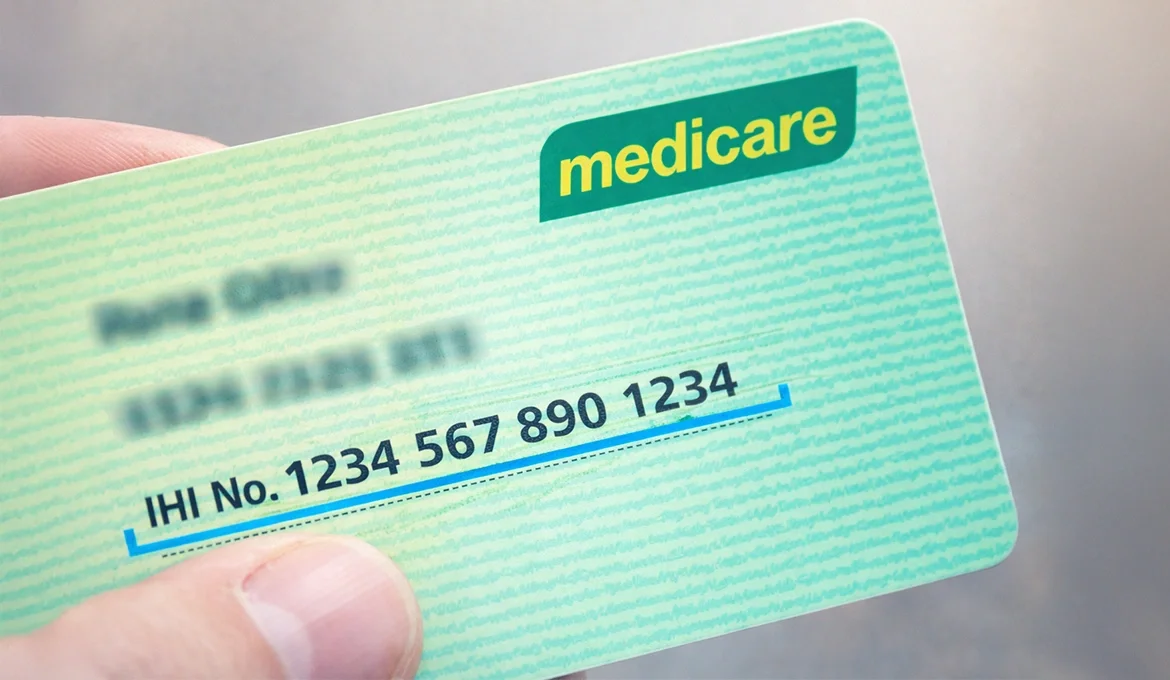
The IHI is a universal healthcare identifier issued by the Australian Government that uniquely identifies each patient in the national digital health records system. It exists independently of Medicare billing and is used across hospitals, GPs, telehealth providers, pharmacies and pathology services.
When a telehealth provider collects your Medicare or IHI number, they are not doing so primarily for billing, it is for clinical accuracy, safety and compliance.
Electronic Prescribing and Digital Scripts
One important reason telehealth platforms require these identifiers is for electronic prescribing. When you receive a digital script through SMS or email, the prescribing doctor must legally attach it to your verified identity in the national prescribing system.
Pharmacies rely on this information to ensure the prescription belongs to the right patient and that your medication history matches their records. Without a Medicare or IHI number, many electronic scripts cannot be generated, transmitted or dispensed safely within the national system. This is why even fully private, non–bulk-billed online services still need these details: the digital health infrastructure that supports e-scripts simply requires it.
Medication Safety and Continuity of Care
Another key reason is medication safety and clinical continuity. When a doctor issues a script, referral or medical certificate, they often need to check your medication history, previous prescriptions or dispensing records. Systems such as My Health Record and electronic medication histories use your IHI number as the key identifier. Even if a telehealth service chooses not to access these systems, they must still ensure that the information they record about your care is linked to the correct patient record.
Identity verification using the Medicare or IHI number helps prevent mix-ups, incorrect prescribing and fraudulent use of healthcare services.
Can Providers Use My Medicare Number to Bill Anyway?
Some patients also assume that providing a Medicare number might allow a telehealth provider to bill Medicare anyway. This is not correct. Telehealth companies cannot legally claim Medicare rebates unless they meet strict eligibility rules, including situations where the patient has seen the same GP or practice in person within the last 12 months. If a provider is privately billing, collecting a Medicare or IHI number does not give them the ability to back-claim Medicare rebates or bill Medicare on your behalf.
Legal Obligations and Health Identifiers
Telehealth providers also have obligations under the Healthcare Identifiers Act, the Privacy Act and the Australian Privacy Principles. They must create records that can be accessed, audited and transferred if necessary. Identifiers like the Medicare and IHI numbers ensure that medical documentation is correctly traceable, consistent and part of the national architecture of digital health.
Without them, the continuity of healthcare across different providers, GPs, specialists, pharmacists and hospitals would be much harder to maintain. Even in purely private telehealth models, doctors are still part of a broader clinical ecosystem that relies on these identifiers to function safely.
In Simple Terms
In simple terms, your Medicare or IHI number is not just about payment., is part of your identity in the healthcare system. Telehealth providers ask for it because every prescription, referral and consultation should be tied to a verified patient record. It reduces errors, supports safe prescribing, prevents fraud, ensures compliance with national laws and allows your care to be recognised across all healthcare settings.
So, while on-demand telehealth may feel modern, fast and separate from traditional medicine, behind the scenes it must still meet the same clinical, legal and safety standards as a local GP clinic. Collecting your Medicare or IHI number is one of the key steps that makes that possible.
This article was created in collaboration with Richard Skimmin, drawing on practical experience with Australia’s digital health systems, Medicare rules and telehealth prescribing requirements.