

Online group therapy has become a practical way for Australians to access support for anxiety without the high costs and long wait times often associated with individual therapy. By meeting in small groups over secure video platforms, people can share experiences, learn coping strategies, and feel less alone while keeping sessions more affordable and flexible. This guide explains how online anxiety group programs work, what makes them good value, and how to compare telehealth services that offer this style of care in Australia.
The Best Value Online Anxiety Therapy: Affordable, Accessible Group Sessions
The Best Value Online Anxiety Therapy: Affordable, Accessible Group Sessions
- What Is Online Group Therapy for Anxiety
- Why Group Telehealth Can Be Better Value
- Types of Online Services Offering Anxiety Group Programs
- Comparing Value: What to Look for in Online Anxiety Groups
- Accessibility and Practical Considerations
- Who Online Anxiety Groups May Suit
- Safety and Non-Urgent Nature of Online Groups
What Is Online Group Therapy for Anxiety
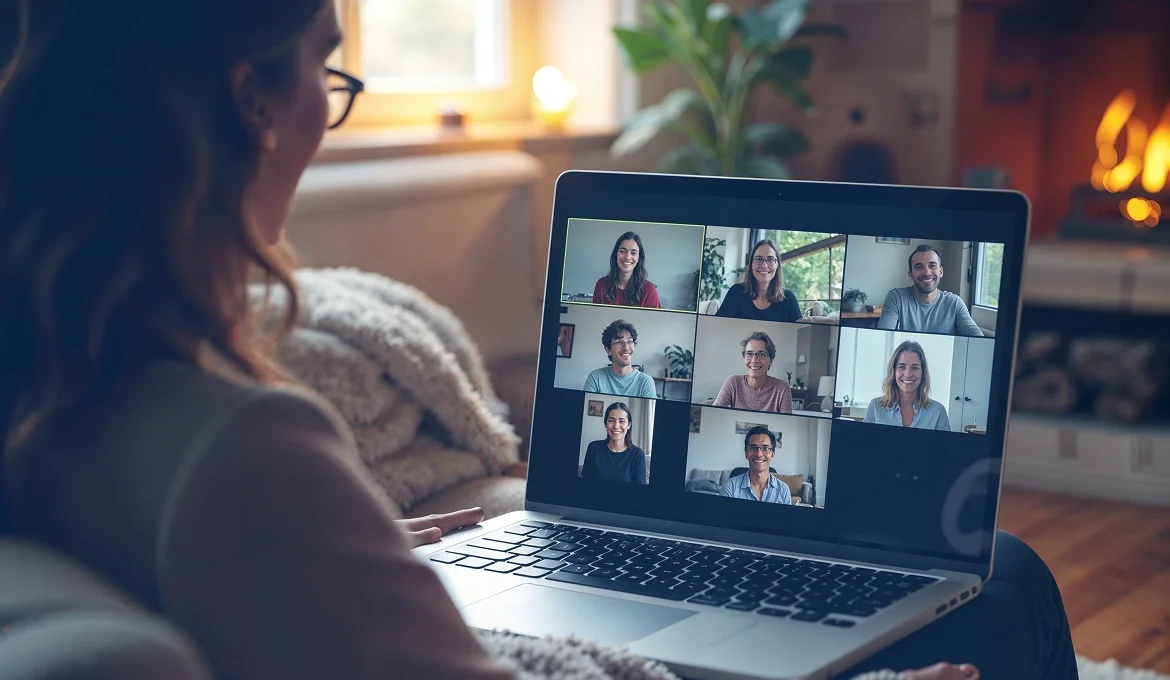
Online group therapy for anxiety usually involves a small group of participants meeting regularly with one or two qualified clinicians, such as psychologists or counsellors, using secure video conferencing. Sessions follow a structured format, often drawing on evidence-informed approaches such as cognitive-behavioural strategies, mindfulness skills, and education about how anxiety works.
Groups are typically closed, meaning the same participants attend each week for a set number of sessions, which helps build trust and continuity. Because the service is delivered via telehealth, participants can join from home or another private space, which is particularly helpful for people living in regional areas, those with mobility limitations, or individuals whose anxiety makes travel difficult.
Why Group Telehealth Can Be Better Value
One of the main reasons group telehealth is considered good value is that costs are shared among several participants, which usually lowers the fee per person compared to an individual session with a psychologist. For some programs, Medicare rebates may apply when groups are run by eligible clinicians under appropriate item numbers, which can further reduce out-of-pocket expenses.
In addition to lower cost, participants gain access to peer support and a wider range of perspectives, which can enrich learning. Hearing how others manage similar challenges can normalise anxiety symptoms and provide practical ideas that might not arise in one-to-one sessions, making group therapy both economical and emotionally supportive.
Types of Online Services Offering Anxiety Group Programs
Different telehealth providers structure their group programs in various ways, so it can be useful to understand the main categories before choosing a service.
Mental Health-Focused Telehealth Platforms
Some online services are dedicated primarily to mental health and may offer both individual and group therapy options. Platforms like My Mirror, Talked, Jelly Health and PSYCH2U focus on connecting Australians with registered psychologists and other mental health professionals, and may run time-limited group programs targeting anxiety, stress, or mood.
These platforms often provide educational resources, progress tracking tools, and options for continuing care with the same clinician once a group program ends. For people seeking structured support with a clear start and finish, such as a six- or eight-week online anxiety group, this type of platform can offer good value and clarity about what to expect.
Broader telehealth clinics with mental health streams
Some telehealth providers operate as general online clinics but have dedicated mental health streams that include group offerings. Services such as Medmate and GP2U, may provide access to GPs, psychologists, and other clinicians through partnerships, combining individual consultations with group education or skills programs when demand is sufficient.
These clinics can be attractive for people who want their mental and physical health care managed in one place, for example where anxiety is linked with chronic illness, sleep problems, or weight management concerns. In such cases, an anxiety group program can sit alongside other telehealth appointments without needing to switch platforms.
Holistic wellbeing and lifestyle programs
A third group of services focus on broader wellbeing and may integrate mental health content into lifestyle or behaviour change programs. Some mental health platforms like the Black Dog Institute may offer online group sessions on topics such as stress management, healthy habits, or resilience, which can be particularly relevant for people whose anxiety is closely tied to everyday pressures.
These group offerings may not always be labelled explicitly as “anxiety therapy”, but they can still provide valuable skills such as relaxation techniques, sleep hygiene strategies, and planning tools that support overall mental health. For some people, this style of program offers a low-pressure starting point before moving into more formal therapy if needed.
Comparing Value: What to Look for in Online Anxiety Groups
Assessing “best value” involves more than just comparing prices per session. It helps to look at what is included in the program, who is delivering it, and how well it fits your circumstances and goals.
Key points to consider include:
- Clinician qualifications: Check whether group facilitators are registered with the Australian Health Practitioner Regulation Agency, or hold recognised counselling or social work credentials, and whether they have experience with anxiety-focused programs.
- Group size and format: Smaller groups often allow more individual attention, while slightly larger groups may be more affordable; it can be helpful to know how many participants are expected and how interactive sessions will be.
- Program length and content: Look for clear information about the number of weeks, session duration, and the main topics covered, such as understanding anxious thoughts, exposure strategies, or lifestyle changes that can support mental health.
- Cost structure and rebates: Consider the full program cost, any Medicare rebates, and whether payments are per session or upfront; some services may also offer concessional rates for students or concession card holders.
For people who want to compare multiple telehealth options in one place, Medicompare can be a useful starting point for reviewing Australian platforms that offer mental health and anxiety-related services, including individual and group programs. By reviewing factors such as fees, appointment availability, and service focus, users can identify which providers are most likely to offer good value for their situation.
Accessibility and Practical Considerations
Accessibility is just as important as cost when deciding whether an online anxiety group represents good value. Many Australians juggle work, study, and caring responsibilities, so evening or weekend sessions can make it easier to attend consistently, which is crucial for getting the full benefit of a group program.
Technology requirements are another key factor. Participants generally need a stable internet connection, a device with a camera and microphone, and a private space where they feel comfortable speaking openly. Some platforms provide test links or guidance to help new users familiarise themselves with the software before the first session, which can reduce anxiety about the technical side of joining a group.
Who Online Anxiety Groups May Suit
Online group programs may be particularly suitable for people who would like to:
- Share experiences with others who understand anxiety and feel less alone in their challenges.
- Learn practical skills and strategies in a structured but supportive environment.
- Access therapy at a lower cost than typical individual sessions, while still working with qualified clinicians.
- Use the Better Access rebates for 10 group therapy sessions in a calendar year.
- Join from home due to distance, mobility issues, time constraints, or discomfort with attending in-person appointments.
However, group therapy is not the right fit for everyone. Some people may prefer one-to-one sessions, particularly if their situation is complex or they feel very uncomfortable sharing in front of others. A discussion with a GP or mental health professional can help determine whether a group program, individual therapy, or a combination of both is likely to be most helpful for a person’s circumstances.
Safety and Non-Urgent Nature of Online Groups
Online anxiety groups are designed for non-urgent support and skills building, rather than for crisis or emergency care. Before joining, most programs include a brief screening process to ensure the group environment is appropriate and safe for each participant, and to provide information about what the service can and cannot offer.
If you are experiencing acute distress or are concerned about immediate safety, it is important to contact emergency or crisis services instead of waiting for a group session. In Australia, you can call Lifeline on 13 11 14 or Beyond Blue on 1300 22 4636 for immediate telephone support, and you can dial triple zero (000) in an emergency. Telehealth platforms usually provide clear guidance on their websites about crisis options and encourage people to seek urgent help when needed.
Disclaimer
The content created is intended for informational purposes only. It does not provide medical advice, diagnoses, or treatment. Always consult a healthcare professional for personal medical advice or treatment.