
IBS Explained: What It Is and How GPs Can Help

IBS Explained: What It Is and How GPs Can Help
Highlights
- IBS stands for irritable bowel syndrome and affects the digestive system.
- Symptoms vary and may come and go over time.
- IBS is diagnosed based on symptoms and clinical assessment.
- GP care and telehealth can support long term management and monitoring.
What Is IBS?
IBS, or irritable bowel syndrome, is a common functional digestive condition that affects how the gut works. Unlike inflammatory bowel diseases, IBS does not cause visible inflammation or permanent damage to the digestive tract. Instead, it affects bowel habits and gut sensitivity.
IBS is considered a long term condition. Symptoms often fluctuate, with periods of improvement and flare ups. While IBS can significantly affect quality of life, it does not increase the risk of bowel cancer.
In Australia, IBS is one of the most common reasons people seek GP care for digestive symptoms.
Common IBS Symptoms
IBS symptoms vary between individuals and may change over time. Some people experience mild symptoms, while others find symptoms more disruptive.
Common symptoms include:
- Abdominal pain or discomfort
- Bloating or excess gas
- Diarrhoea, constipation, or alternating between both
- Changes in stool frequency or appearance
- A feeling of incomplete bowel emptying
Symptoms often improve after a bowel movement but may return later.
Possible Causes and Triggers
The exact cause of IBS is not fully understood. It is thought to involve a combination of factors affecting gut function.
Commonly discussed contributors include:
- Increased gut sensitivity
- Changes in gut motility
- Alterations in gut bacteria or bacterial overgrowth
- Stress and emotional factors
- Certain foods or eating patterns
IBS symptoms are often influenced by lifestyle and environmental factors rather than a single underlying disease process.
How IBS Is Diagnosed
IBS is diagnosed based on symptom patterns and clinical assessment. There is no single test that confirms IBS.
GPs may:
- Review symptom history and duration
- Ask about bowel habits and triggers
- Rule out other conditions through blood tests or stool tests
- Refer for further investigations if warning signs are present
Diagnosis focuses on excluding other causes of digestive symptoms before confirming IBS.
The Role of GPs in IBS Care
GPs play a central role in supporting people with IBS. Ongoing care often focuses on symptom monitoring, identifying triggers, and coordinating further assessment if needed.
GP involvement may include:
- Reviewing symptom changes over time
- Discussing lifestyle factors
- Coordinating referrals for dietetic or specialist input
- Supporting long term management plans
Many Australians use online GP services for follow up consultations, particularly when symptoms are stable and regular review is required.
Platforms such as Medmate, Instant Consult, and HelloGP provide access to registered Australian doctors for non urgent GP consultations.
How Telehealth Supports IBS Management
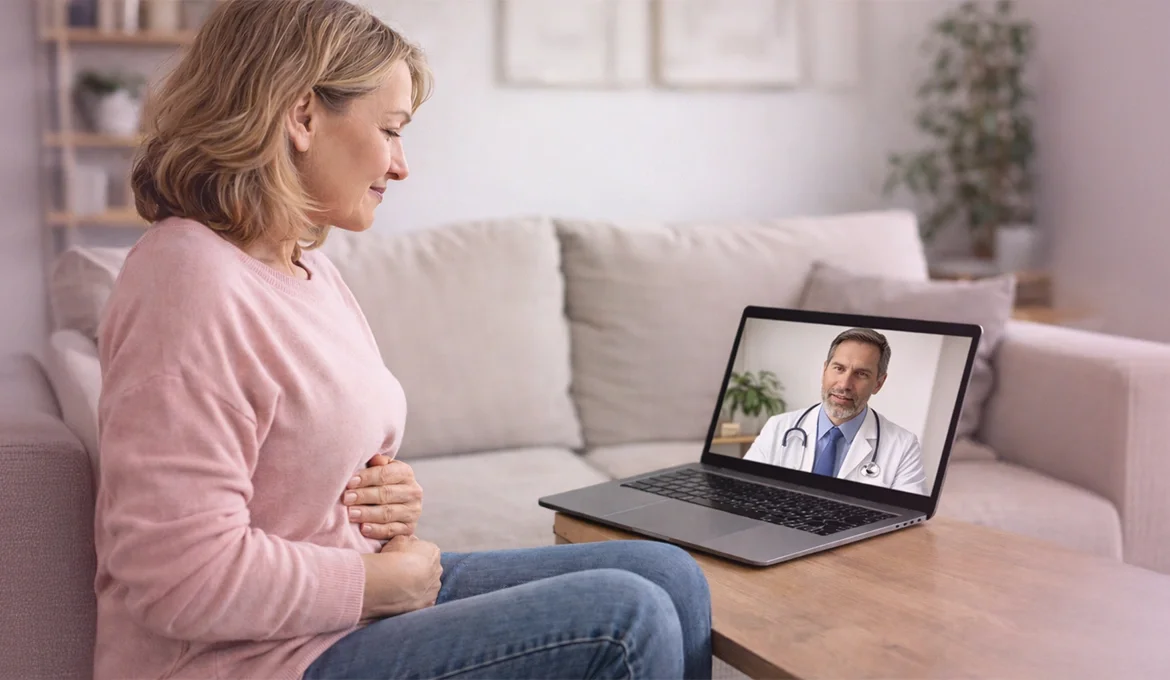
Telehealth has become a useful option for people managing IBS. Through telehealth services, patients can discuss symptoms, review progress, and seek guidance without attending a clinic for every appointment.
Telehealth may support:
- Follow up consultations
- Discussion of symptom patterns
- Review of test results
- Coordination of referrals
Telehealth complements in person care and is most suitable for non urgent review and monitoring.
IBS and Emotional Wellbeing
IBS symptoms are often influenced by stress and emotional health. Living with unpredictable digestive symptoms can contribute to anxiety or reduced quality of life.
Access to mental health online support can help individuals manage the emotional aspects of IBS. Services such as Hola Health, Prime Medic, and Hub Health provide access to qualified mental health professionals as part of a holistic approach to care.
Safety, Regulation, and Choosing GP Telehealth Options
GP telehealth services in Australia operate under strict regulatory standards. Doctors providing consultations must be registered with the Australian Health Practitioner Regulation Agency and follow national clinical guidelines.
On Medicompare, readers can compare GP telehealth providers, review consultation features, and understand differences between services such as NextClinic, UpDoc, and Private Medical. Comparing providers helps Australians choose options that align with their healthcare needs and preferences.
When Further Assessment Is Needed
While IBS is a common and manageable condition, certain symptoms may require further investigation. GPs help determine when additional tests or specialist referrals are appropriate.
Regular review supports early identification of changes that may need further assessment.
Conclusion
IBS is a common digestive condition that can significantly affect daily life. Understanding symptoms and accessing ongoing GP support are important parts of managing the condition.
Telehealth offers Australians greater flexibility when accessing GP care for IBS, particularly for follow up consultations and symptom monitoring. By using Medicompare to compare providers, individuals can make informed decisions about how they access GP and telehealth services that support their long term health.
Disclaimer
This article is for informational purposes only and is not a substitute for professional medical advice. Please choose your provider with care. Always consult your doctor or a qualified health professional regarding any health-related questions or concerns.