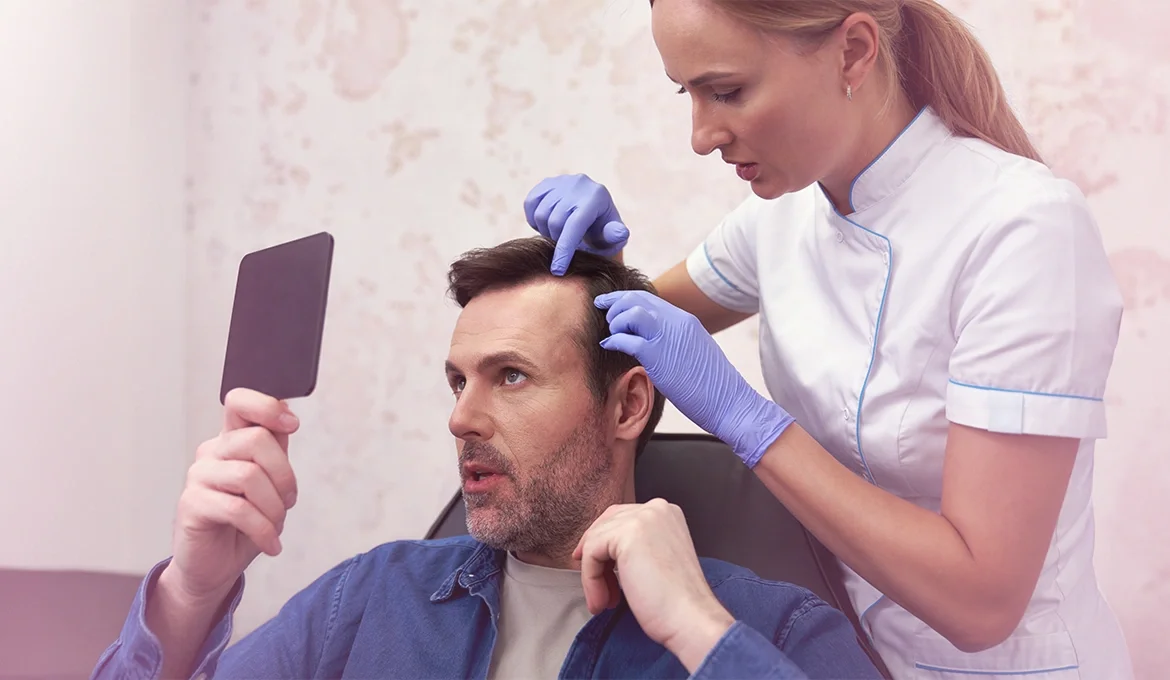
Hair Loss Treatment Via Telehealth in Australia

anna-faulkner
By: Anna Faulkner
Blog
Medicompare - Hair loss and telehealth - providers, options

Hair Loss Treatment Via Telehealth in Australia

Hair loss is a common problem for many Australians, but telehealth can offer access to fast advice and discreet solutions. Alopecia, or hair loss, can present in different ways, from gradual thinning to sudden, often alarming shedding or patchy bald spots. It’s no wonder its emotional impact can floor you.

With both men and women affected, albeit in different ways, there’s a growing number of telehealth providers available that offer personalised care. Their assistance goes beyond the convenience of private virtual consultations with AHPRA-registered doctors, GPs and specialists. They can offer assessments, referrals, eScripts, and even home delivery of medications.

This article explores evidence-based and holistic online options and how different telehealth platforms like Better Hair, Qoctor, Holistica Health, On Mane, and Gro Clinics approach hair loss in men and women. For more in-depth reviews of individual providers, search MediCompare’s telehealth pages.

Understanding Hair Loss

Hair loss can have multiple causes, sometimes a combination of contributing factors [2], such as genetics, hormonal changes, stress, medical conditions, or aging. It can also show up in different patterns. Here are some common ones:

  • Gradual thinning (e.g., male/female pattern baldness).
  • Patchy bald spots (e.g., alopecia areata).
  • Sudden shedding (e.g., telogen effluvium from stress or illness).
  • Full-body hair loss (e.g., chemotherapy-related).

If you suffer from persistent or distressing hair loss, you should speak to a healthcare professional to help you identify the root cause.

How Telehealth Works for Hair Loss

Beyond the obvious benefit of convenience, telehealth platforms can streamline the consultation-to-treatment process. They can also ensure greater privacy, which may be a key factor for you in seeking help for this highly sensitive issue. Here’s how the telehealth process typically works in the case of hair loss:

1. Online Assessment

Platforms often ask you to fill in a detailed questionnaire. Providing information about your medical history, lifestyle, and hair loss concerns helps the doctor understand your unique situation. It prepares them for the appointment, resulting in a quicker, to-the-point consultation.

2. Doctor Consultation

A licensed Australian doctor reviews the information you’ve provided before conducting a video or phone consultation. They’ll ask you questions to assess your condition and develop a personalised treatment plan. This step is crucial to ensure a thorough evaluation of your condition. Any telehealth providers offering services without real-time virtual consultations do not follow best practice as outlined by the AHPRA [1].

3. Personalised Treatment Plan

Based on your consultation, the doctor creates a tailored plan to suit your needs. This reflects both your condition and preferences, for example, whether you are able to make lifestyle choices, prefer holistic treatments or medication. Options they may discuss with you may include:

  • Medications (e.g., Minoxidil, Finasteride).
  • Supplements (e.g., biotin, zinc).
  • Holistic therapies (e.g., compounded prescriptions, lifestyle adjustments).

4. Prescriptions or Referrals

If medication is part of your treatment plan, the consulting doctor will issue an eScript. They may also schedule a follow-up to check in on treatment progress, for example, after a month. Some telehealth providers offer complimentary nurse follow-ups as part of their holistic, patient-centric approach, for example, Greencare.

Sometimes, you may require additional testing or assessment, such as hormone panels, blood tests, scalp biopsies, or in-person consultations for pull tests or similar procedures. If further specialised care is needed, the consulting telehealth doctor may also refer you to a specialist, either online or in person.

5. Discreet Delivery or Pharmacy Pick-Up

Many telehealth providers arrange medication delivery. Those specialising in hair loss often deliver to your door in plain packaging. Alternatively, you can elect for the eScript to be sent to your pharmacy, or you can use a specialist local pharmacy delivery service, such as Hola Meds, to handle the process yourself. Platforms like Better Hair and On Mane prioritise delivery for privacy and convenience.

6. Ongoing Support

As mentioned above, many telehealth services specialising in hair loss offer follow-up messaging and check-ins to adjust your plan as needed. This is part of their commitment to ensure long-term success and greater continuity of care, which can sometimes be hard to achieve with telehealth.

Telehealth Providers for Hair Loss

Several platforms specialise in hair loss care via telehealth, each with unique features:

  • Better Hair (Women’s Focus): Doctor-led, evidence-based treatments with nationwide delivery.
  • Hub.Health (Men’s Focus): Free consults, science-backed telehealth solutions with discreet delivery. Highly rated on some user review sites.
  • Qoctor (Men’s Focus): Affordable provider with eScript or delivery options.
  • Holistica Health: Holistic and innovative care for all genders, including compounded prescriptions.
  • On Mane (Men’s Focus): Discreet delivery of prescription treatments.
  • Burst Health: Compounded solutions made for your individual needs and delivered to your home.
  • Gro Clinics: Personalised plans with subscription options and holistic approaches.
  • Bioscor: Offers bulk-billing consultations and holistic treatment options.
  • Simple Online Doctor: Hair loss solutions delivered by a mix of clinicians and pharmacists.

What to Expect from Telehealth Care for Hair Loss

Telehealth providers can help address multiple factors, including genetics, stress, nutrition, and hormonal imbalances. Treatments range from standard medications like Minoxidil and Finasteride to compounded prescriptions and holistic plans. Costs vary widely.  Some platforms (e.g., Bioscor) offer bulk billing for consultations or free consultations and follow-ups, such as Hub.Health.

What Telehealth Cannot Deliver

There are some limitations to how helpful telehealth platforms can be for hair loss. Mostly, these relate to the need for face-to-face consultation to test, assess, or treat. Here’s what telehealth providers cannot directly deliver but may be able to refer you to:

  • Pull Testing
  • Laser Therapy
  • Scalp Biopsy
  • Hormone Panels
  • Hair Transplants
  • PRP Injections

When to Seek Professional Help

If you are suffering from hair loss, it is best not to delay seeking help. Consult a doctor if you experience:

  • Sudden or patchy hair loss.
  • A receding hairline (common in women with frontal fibrosing alopecia).
  • Excessive shedding during combing or washing.

Early intervention can improve treatment outcomes. It may also prevent permanent baldness. Essentially, you want to get on top of the hair loss (if possible) before it progresses too far, as it gets harder or sometimes impossible to address.

Lifestyle Tips for Hair Health

There are a few lifestyle changes you can make to try to improve hair health. While these may help in some cases, for example, if you have been suffering from stress or an unhealthy diet, it is important to rule out underlying conditions and identify all contributing factors. Sometimes, even small changes, such as not brushing your hair when wet or changing your hairstyle, may help remedy hair fall. Here are examples of practical changes you can make yourself:

  • Nutrition: Make sure your diet contains enough iron, biotin, zinc, and vitamins D and B12.
  • Stress management: If stress is a factor, yoga, meditation, and a better work-life balance may help reduce stress-related shedding.
  • Gentle hair care: Use sulphate-free shampoos, do not pull on your hair when wet (through brushing or by sleeping with wet hair), and avoid tight hairstyles.
  • Scalp care: Massages or specific red light therapy may boost circulation and promote growth.

Summary

Telehealth brings convenience, privacy, and greater choice to hair loss solutions in Australia. It makes finding a personalised approach much more accessible and, in some cases, more affordable.

You can choose from a range of telehealth providers offering everything from evidence-based medications to holistic approaches. Ultimately, your choice is between comprehensive telehealth providers, such as Qoctor, and subscription- and delivery-focused providers such as Hub.Health and specialised services such as Better Hair.

It is always best to consult with a doctor to confirm the cause of your hair loss and discuss the best path forward, rather than signing up for a solution without a proper diagnosis.

Disclaimer

This article is for informational purposes only and is no substitute for professional medical advice. Please choose your provider with care. Always consult your doctor or a qualified health professional regarding any health-related questions or concerns.