
Are On-Demand Telehealth Providers Using Real Doctors in Australia?

Are On-Demand Telehealth Providers Using Real Doctors in Australia?
This guide was created in collaboration with Richard Skimmin, Telemedicine Leader, Ex-CEO of InstantScripts, and former Managing Director at News Corp. Drawing on years of experience in digital health, Richard helped us shape clear, practical insights to answer common questions about on-demand telehealth providers and medical practice in Australia.
As on-demand telehealth becomes more common in Australia, more people are using online doctor platforms for medical certificates, prescriptions and general health advice. These services promise fast access and nationwide coverage, but a common question still appears in searches and patient discussions: are online telehealth doctor's real doctors?
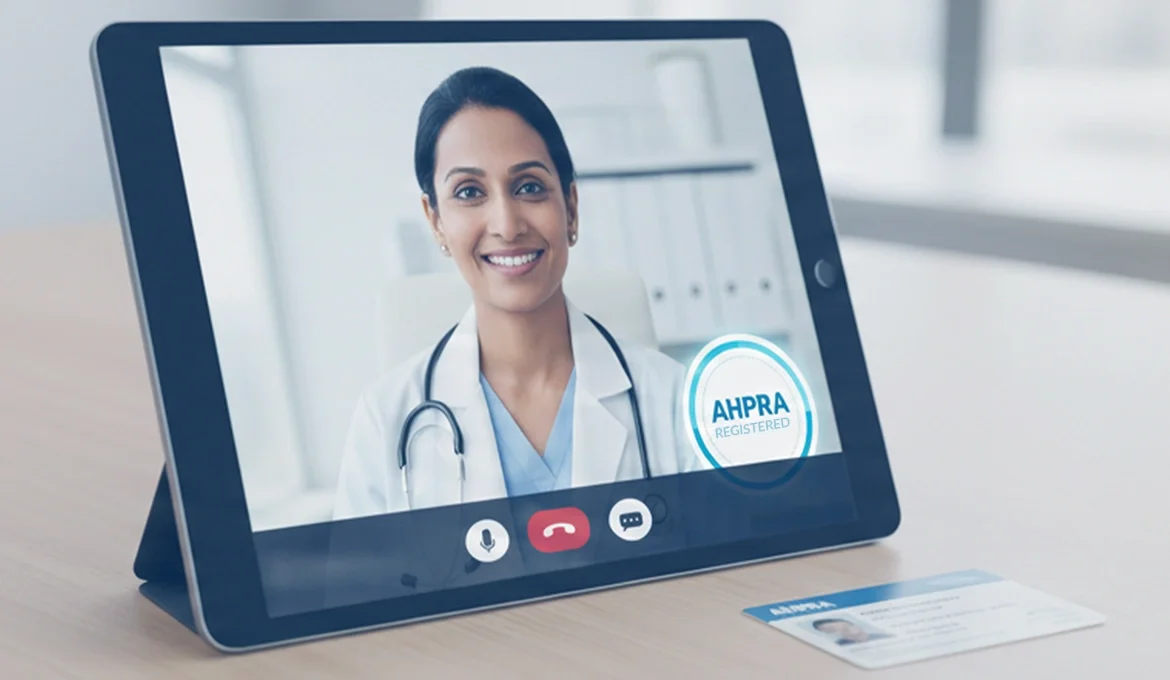
The short answer is yes. On-demand telehealth providers in Australia are legally required to use genuine, Australian-registered doctors. Where confusion arises is not over the doctors themselves, but over how on-demand services operate compared to traditional GP clinics.
Why On-Demand Telehealth Feels Different to a GP Clinic
What makes on-demand telehealth feel different is the delivery model. Doctors usually work remotely and see patients based on availability rather than ongoing relationships. As a result, patients may not see the same doctor twice, and consultations are often shorter and more focused. Despite this, clinicians remain bound by the same professional standards, prescribing rules and clinical responsibilities as any GP in Australia.
Continuity of Care and Clinical Decision-Making
On-demand telehealth typically does not operate around long-term patient relationships. Instead, it prioritises immediate access to care. This can affect clinical decisions, particularly around prescribing. In some cases, an online doctor may decline a request without further assessment, not because the system is automated, but because clinical judgement must be applied without access to a full medical history.
Prescribing Rules and Platform Safeguards
Telehealth clinicians also operate under stricter prescribing safeguards set by regulators and platforms. Many services restrict prescriptions for high-risk or tightly controlled medications unless further assessment is completed. These safeguards exist to manage risk where long-term patient history is limited and reinforce that prescribing decisions are made by qualified doctors operating within regulatory limits.
Oversight, Accountability and Patient Safety
All telehealth doctors in Australia must comply with strict identification, privacy and clinical documentation requirements. Consultations are recorded, prescriptions are issued through approved electronic systems, and medical certificates must meet regulatory standards. Clinical decisions remain subject to the same medico-legal and professional oversight as care delivered in traditional GP clinics.
When On-Demand Telehealth Is Appropriate
While on-demand telehealth uses fully qualified doctors, it is not designed to replace a regular GP. These services are best suited to straightforward, non-complex issues and administrative medical needs. Ongoing or complex care, including chronic conditions and detailed assessments, remains best managed through a regular face-to-face GP.
Summary
On-demand telehealth providers in Australia use real, regulated doctors operating under national medical standards. What differs is not the legitimacy of the clinicians but the delivery model. Understanding how and when online care is appropriate helps patients use telehealth services confidently and appropriately.
Editorial note: This article was developed with expert input to support accuracy around telehealth regulation and medical practice in Australia.